

Winter brings cold temperatures, snow, and ice. These conditions put extra strain on your vehicle and can affect how it performs. Engines take longer to warm up, fluids thicken, and tires lose pressure more quickly. Performing routine winter maintenance reduces the risk of breakdowns and helps keep you safe on the road. Even small steps, like checking tire pressure or topping off fluids, can make a noticeable difference. The following tips apply to any vehicle and can help you stay prepared for winter driving challenges.
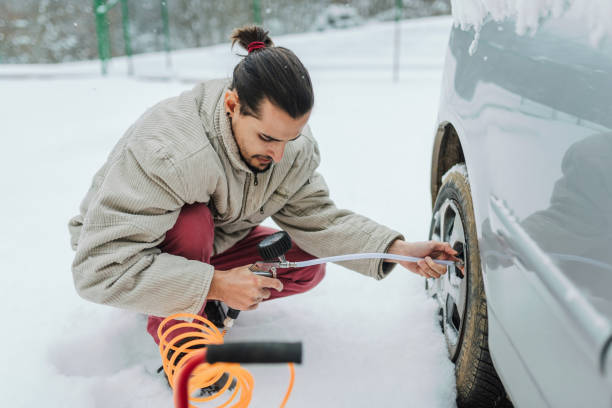
Check Your Tires
Cold weather lowers tire pressure and low pressure reduces traction and causes uneven wear. Check tire pressure at least once a month during winter. Inflate tires to the levels shown on the door sticker or in the owner’s manual. Examine tread depth and look for cracks or other damage. Tires in good condition provide better control on snow and ice.
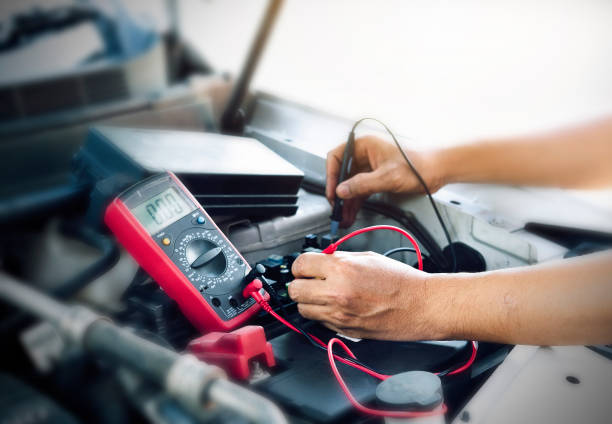
Test Your Battery
Cold temperatures reduce battery power and a weak battery can fail suddenly in winter. Test your battery before or during the cold months. Clean corrosion from the terminals and tighten connections. Many batteries lose strength after three to five years, so replacement may be necessary even if the battery still works.
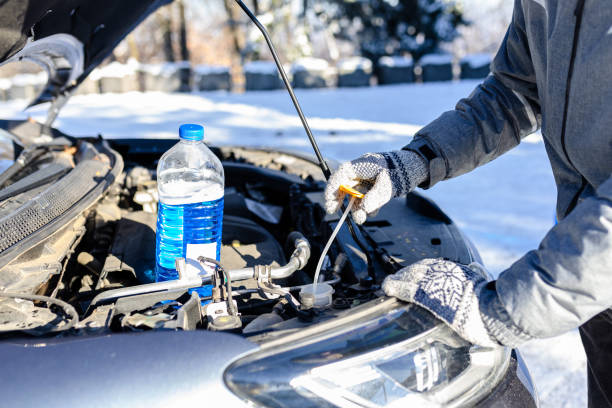
Inspect Your Fluids
Fluids do not perform as well in cold weather, so check engine oil, coolant, brake fluid, and windshield washer fluid. Low or worn fluids can reduce performance and cause additional wear. Coolant should prevent freezing, and washer fluid should be rated for winter use. Follow the owner’s manual for proper levels and types.
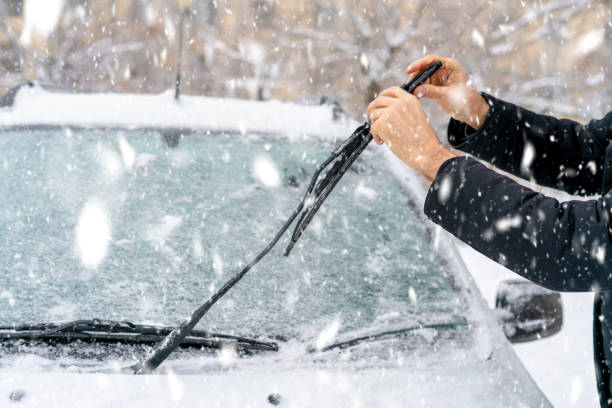
Check Your Wipers and Lights
Snow and road spray can reduce visibility. Replace wiper blades that streak or skip. Inspect headlights, brake lights, and turn signals to ensure they work correctly. Keep all lenses clean. Clear visibility is essential for safe driving in winter conditions.
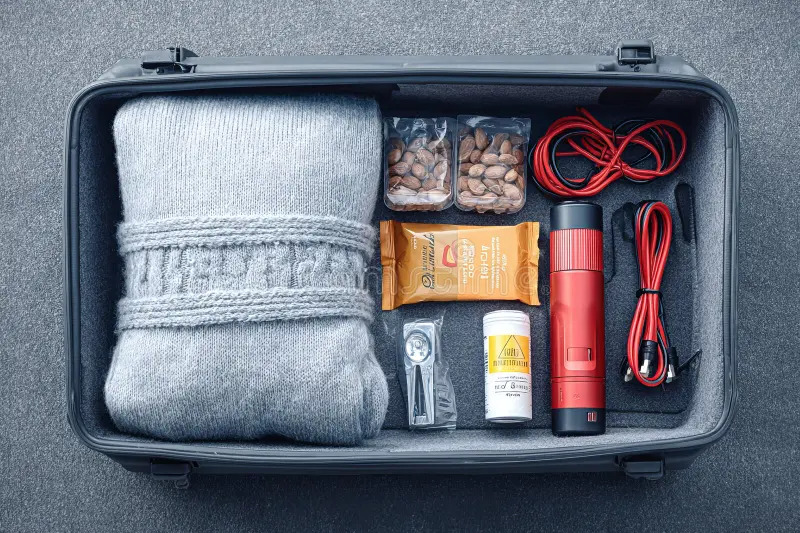
Prepare an Emergency Kit
Winter travel can lead to delays or roadside stops. Keep an emergency kit in your vehicle. Include a blanket, gloves, ice scraper, flashlight, jumper cables, and non-perishable food. A small shovel and sand or kitty litter can help improve traction if your car becomes stuck.
Winter car care does not require much time or effort, but it pays off in reliability and safety. Simple checks help prevent major problems and unexpected repairs, and they give you confidence when driving in cold, snowy, or icy conditions. Regular attention helps your vehicle perform better, reduces the chance of being stranded, and can extend the life of important parts. Taking a few extra minutes to inspect your car now can save you stress and expense later in the season.
Connect with us


